Stress & Sleep
HCI eGenki Pro 4D and Fujiiryoki
Choosing Between HCI eGenki Pro 4D and Fujiiryoki: A Practical Comparison
Choosing Between HCI eGenki Pro 4D and Fujiiryoki: A Practical Comparison
The situation
Meenal is 38 and runs an online design studio from home. Her days look the same: laptop at 9, lunch at the desk, still seated at 7. By evening her neck is stiff and a dull ache sits in her lower back. She’d tried stretching apps, a foam roller and a monthly spa visit. The roller ended up in a cupboard, and the spa bills kept coming.
So she decided to look at something for the house itself. The budget question came up fast, because she kept running into two very different price levels from the same company.
The two options on her table
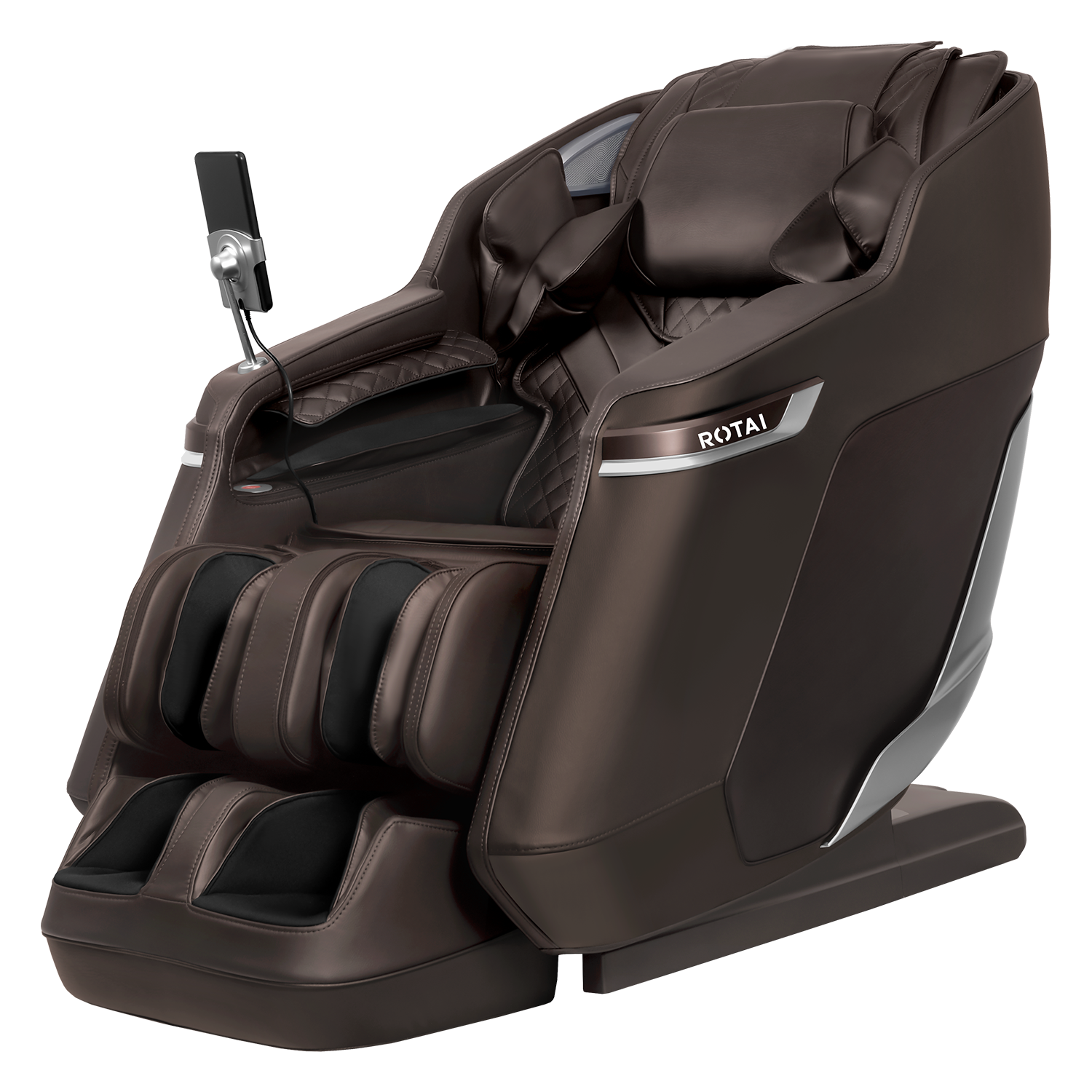
Her shortlist came from HCI’s own range. On one side was the HCI eGenki Pro 4D, listed at ₹1,79,999 against an MRP of ₹2,99,999. On the other was the Japanese-branded Fujiiryoki line, which HCI also sells. The cheapest model there, the MR 6000 Calm Plus, was listed at ₹4,99,999. The JP 3000 was ₹6,54,999, the MR 8000 Cyber Relax Pro was ₹9,99,000, and the top JP 4000 Cyber Relax was ₹10,99,999.
Even the entry Fujiiryoki costs close to three times the eGenki Pro, and the top model costs roughly six times as much. That gap shaped everything else. Meenal didn’t ask which chair was better, since the pricier line would obviously win on features. She asked which one would give her the most useful relief per rupee.
What the eGenki Pro offers
She started with the specs, because the hci egenki pro 4d page was detailed.
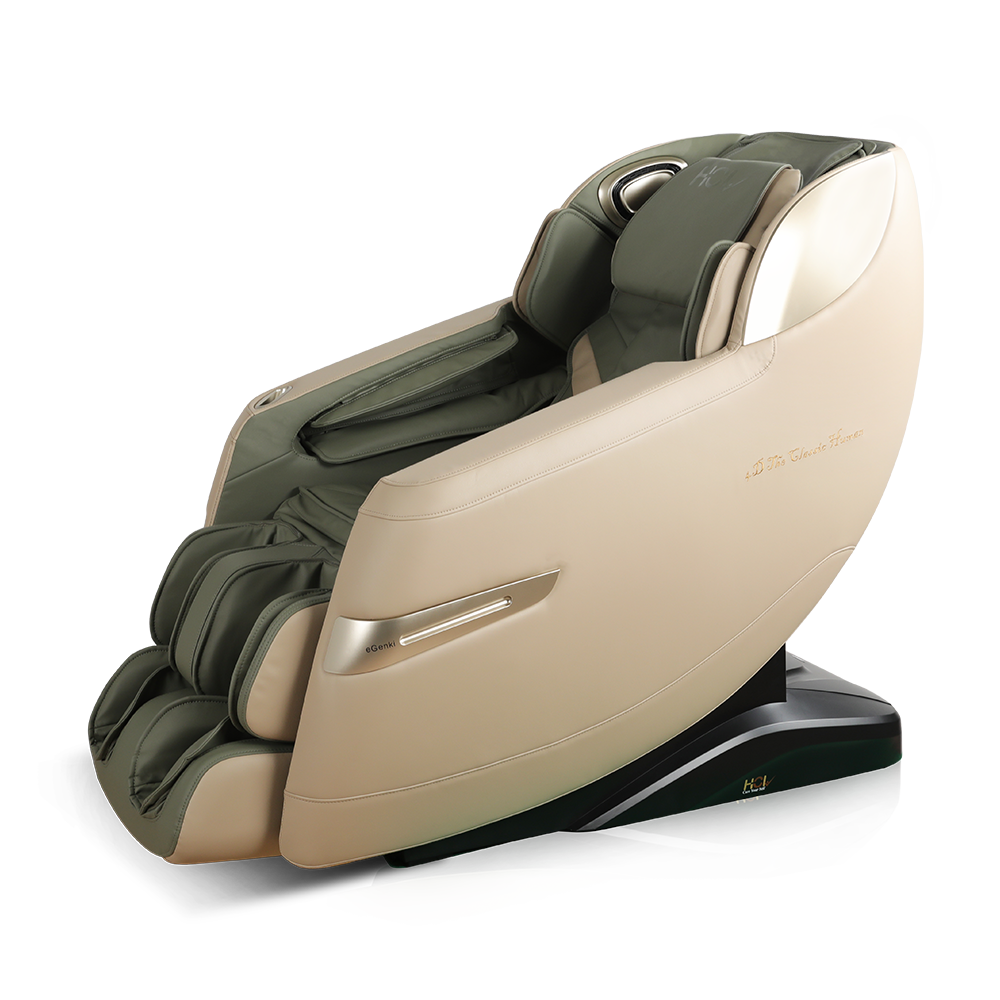
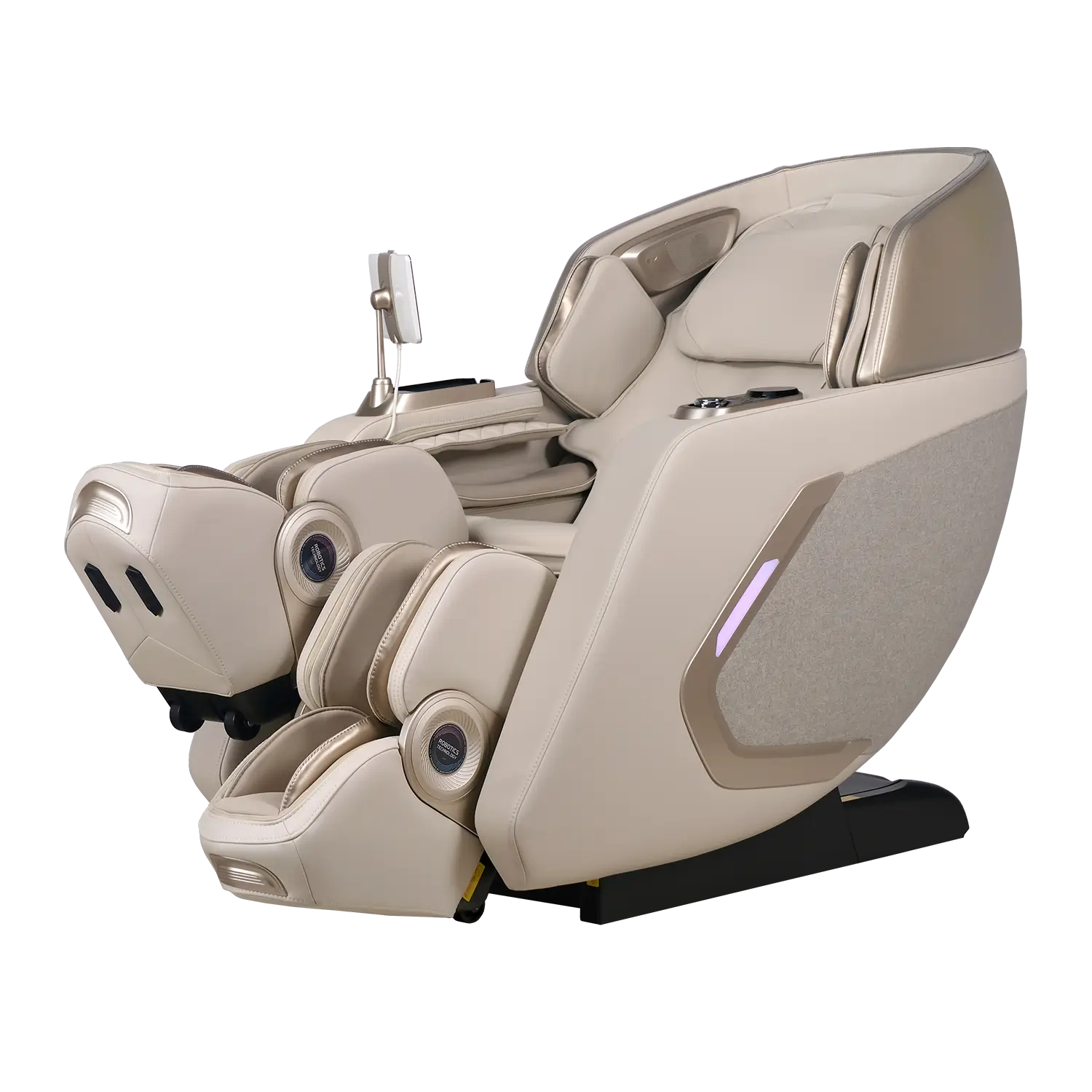
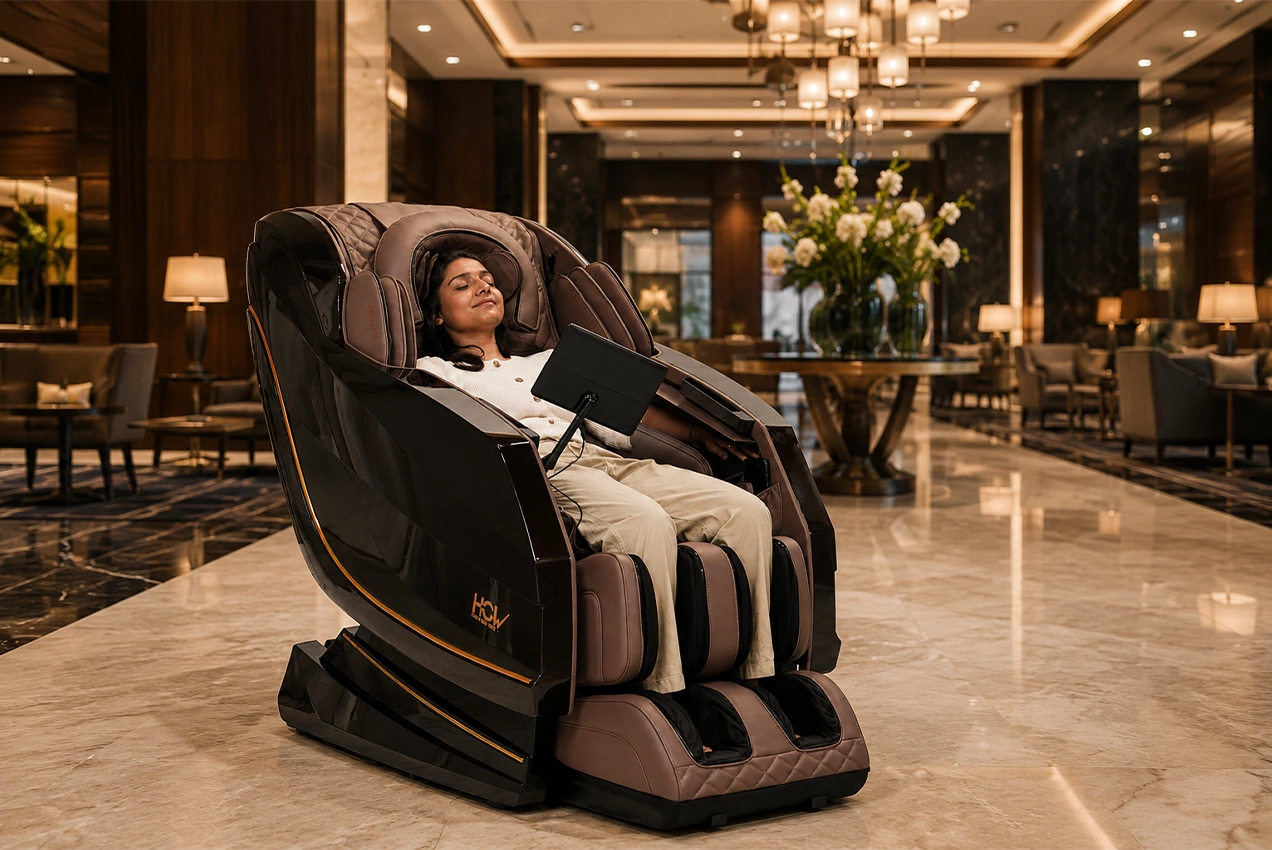
The chair has a 4D mechanism with a vibration mode, and a 130 cm S&L track that runs from the neck down to the thighs. There are six auto programs (including Lower Back and Neck & Shoulders) and eight manual techniques such as kneading, shiatsu, tapping and rolling. It adds dual zero-gravity recline positions, airbags for the shoulders, arms, hips, calves and feet at five pressure levels, sole rollers in the leg unit, Bluetooth audio and body sensing that adjusts to her height.
For someone with a desk-worker’s back, the Lower Back and Neck & Shoulders programs matter more than the long list of extras. The limitation she noticed was the heating, which covers the back only. If you want warmth on the legs too, this is not the chair for that.
She also checked practical details. The chair weighs 90 kg and measures 146 × 82 × 93 cm upright, or 193 × 81 × 101 cm reclined. HCI recommends 80 cm of clear space behind and 50 cm in front. Her study could handle that, but a small room wouldn’t.
What the Fujiiryoki range offers
The Fujiiryoki pages are built around heritage and technology. HCI’s FAQ says the brand was the first to mass-produce massage chairs, in Japan in 1954, and cites a Guinness record awarded in May 2025. The listed technologies include Kiwami Mecha Pro, which is meant to imitate a therapist’s hand movements. There’s also 5D-AI Mecha PLUS, AI Double Sensing Plus for body-shape recognition, foot sole shiatsu, a spot concentration technique and an advanced stretching function. The brand is marketed as medically certified.
Those are real differences in sophistication, especially the AI sensing and the heavier price tier of mechanisms. The pages give far less hard dimensional data than the eGenki Pro page does, so Meenal couldn’t line up the two chairs spec by spec. That is worth knowing: a bigger feature name doesn’t automatically mean a bigger difference in how a session feels. She decided the only fair test was to try them, so she booked a home demo (HCI offers one).
What the two share
This part narrowed the choice. Both lines carry the same support promise: a 3-year warranty plus 7 years of on-site service. Both list free delivery across India, and the eGenki Pro page also mentions free installation and no-cost EMI on credit cards. The expensive chair doesn’t buy better after-sales care, because it’s the same program. It buys a more advanced chair.
How she weighed it
Price. The ₹3,20,000 difference between the eGenki Pro and the cheapest Fujiiryoki was larger than the cost of the eGenki Pro itself. She asked whether the extra money would produce proportionally better relief for her complaint.
Daily use. Her plan was about 20 to 30 minutes in the evening, mostly targeting the back, neck and shoulders. The eGenki Pro’s programs map onto that directly.
Features she’d actually use. Zero gravity, back heat, Bluetooth speakers and airbag compression covered her wish list. She couldn’t picture herself using a stretching mode or AI sensing often enough to justify several lakhs more.
Space and setup. The eGenki Pro’s single-box delivery and clearance requirements were clear and she could plan around them.
Availability. When she checked, the eGenki Pro page showed the chair as out of stock and selling fast, so she asked HCI directly about delivery timing before deciding.
The decision
After the demo, Meenal chose the eGenki Pro. The deciding factor was a simple test: after 20 minutes, did she feel clearly better, and would the next tier up have changed that? For her back-and-shoulder routine, it wouldn’t have. She kept the savings for a proper standing-desk setup, which she figured would help the underlying cause.
She noted when the other option would make sense: a buyer who wants the most advanced technology, who shares the chair across a large household with varied needs, or who sees the purchase as a long-term investment and has the budget for it. For them, a Fujiiryoki model could justify its price.
Takeaways for your own decision
Start from your routine, not the spec sheet. Think about how long and how often you’ll sit, and which areas hurt.
Don’t pay for features you won’t use. Extra mechanisms are valuable only if they change your sessions.
Use the demo. Twenty minutes in the chair tells you more than a feature list.
Measure your room. A chair that can’t fully recline is a wasted chair.
Confirm stock, delivery and offers in writing. Festive discounts and availability change quickly.
Bottom line
For most people who want a dependable full body massage chair for regular home use, the eGenki Pro gives the stronger value, because it covers the essentials at a fraction of the cost and carries the same warranty and service promise as the premium line. The Fujiiryoki range is worth the step up if you want its more advanced technology and heritage and the higher price fits comfortably in your budget. Book a demo of both and let your own back decide.
More stories
Home & Family A Gift of Comfort That the Whole Family Uses Every Day
Rohit Sharma bought an HCI full body massage chair for his parents’ anniversary. Within weeks, it became the most-used spot in the house — his father uses it every morning, his mother every evening, and Rohit after long workdays.
Working Professionals Standing All Day in Court: How Advocate Abhinav Sharma Found Relief at Home
Standing All Day in Court: How Advocate Abhinav Sharma Found Relief at Home
Fitness & Recovery Colonel Rishi Bhardwaj’s Story: Daily Comfort and Recovery with the HCI eGenki
From Mountain Trails to Daily Comfort: Colonel Rishi Bhardwaj’s Experience with the HCI eGenki