







If you have started shopping for a massage chair, you have probably noticed that not all chairs are built the same. Some are marketed as basic recliners with vibration motors, while others are proudly labelled as Japanese massage chairs, built with precision engineering and advanced body-mapping technology. So what is the real difference, and does it matter enough to justify the price gap?
In this blog, we will break down everything you need to know about a Japanese massage chair versus a regular massage chair the technology, the massage quality, the durability, and which one actually delivers long-term value for your health and your home.
What Is a Japanese Massage Chair?
A Japanese massage chair is a premium category of massage chair built on decades of research into anma and shiatsu massage techniques-traditional Japanese massage practices that focus on pressure points, muscle release, and full-body circulation. Brands rooted in Japanese engineering, such as Fujiiryoki, have spent over 60 years refining how a chair should read the human body and respond to it.
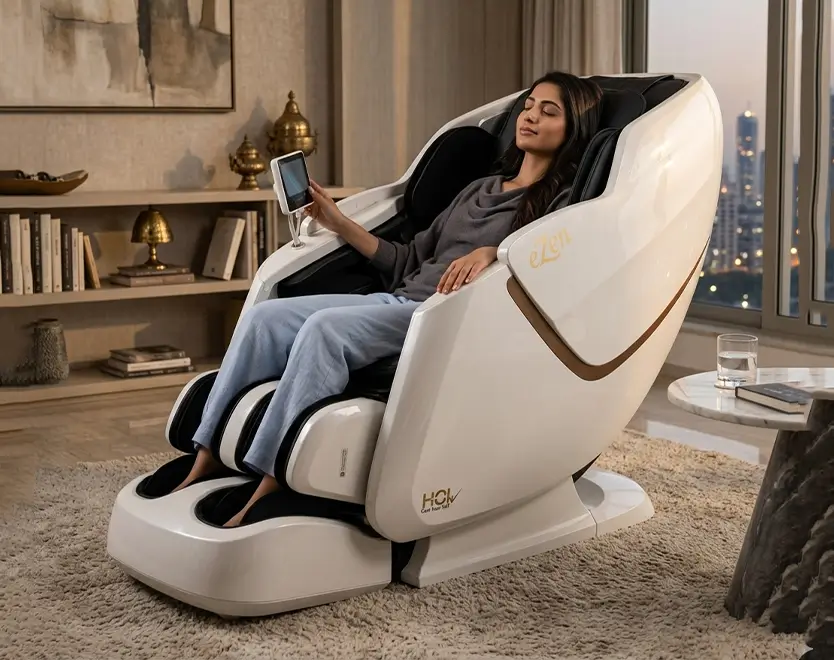
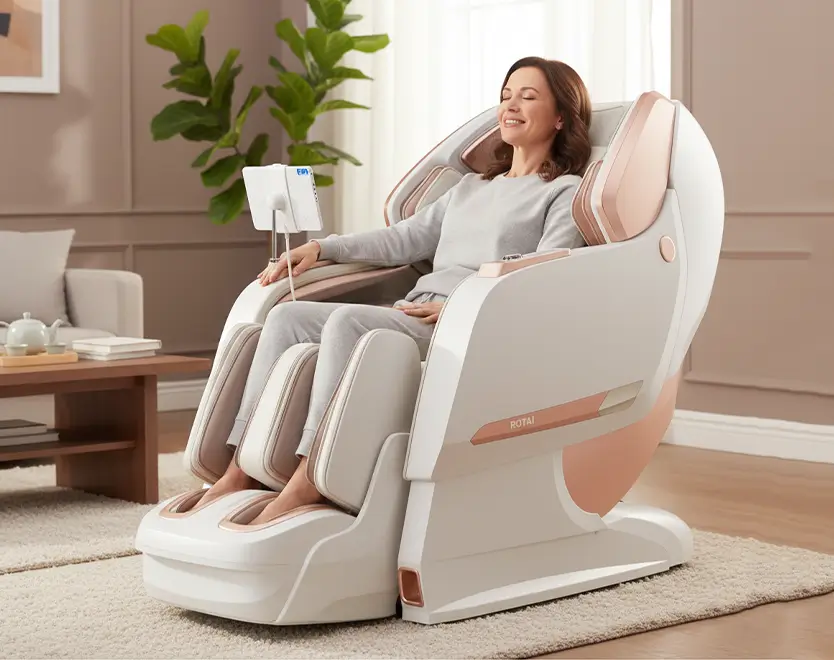
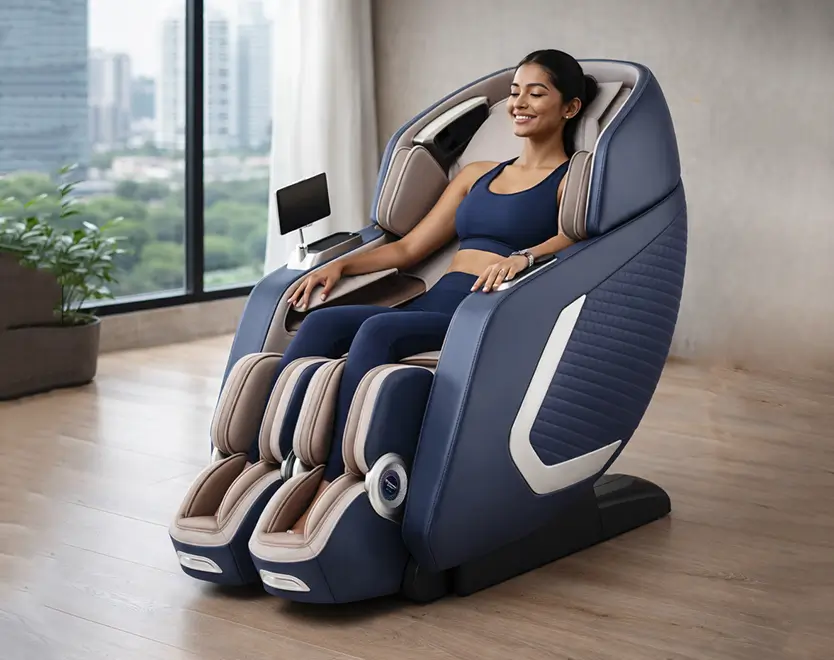
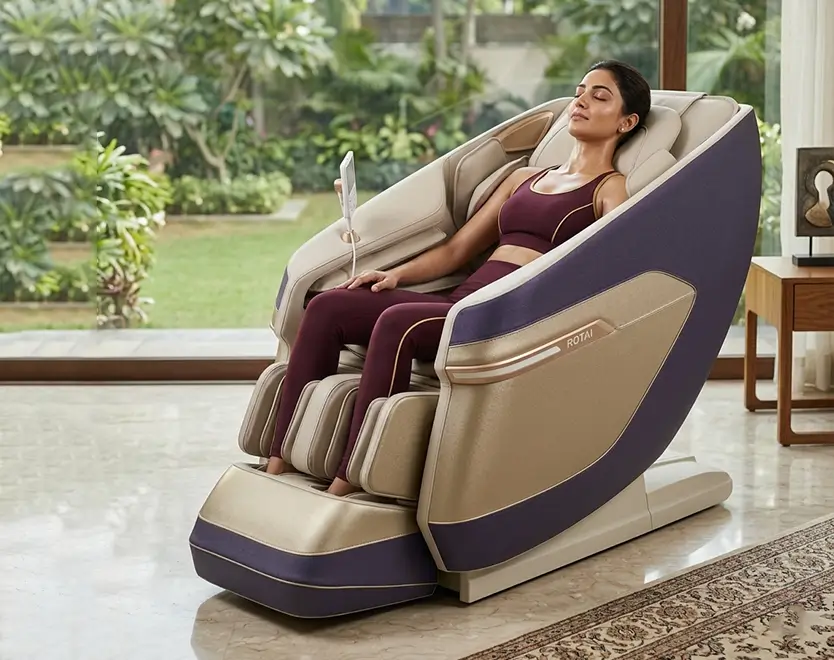
Unlike a basic recliner with a vibration motor bolted underneath the seat, a Japanese massage chair uses intelligent rollers, airbags, and sensors that map your spine and shoulders before the massage even begins. The result feels less like a machine vibrating against your back and more like a real massage therapist working through your pressure points.
These chairs typically include:
- L-track or S-track roller systems that follow the natural curve of your spine
- Zero-gravity recline positions that reduce spinal pressure
- Air compression massage for the arms, calves, and feet
- Heat therapy to relax muscles before deep tissue work
- Multiple massage styles like kneading, tapping, shiatsu, and rolling
What Is a Regular Massage Chair?
A regular massage chair, on the other hand, is usually a more basic model designed for casual relaxation rather than therapeutic-grade massage. These chairs often rely on simple vibration motors or a limited roller mechanism that moves up and down without adjusting to your specific body shape.
A regular massage chair may still offer comfort, but it typically lacks:
- Precise body scanning technology
- Multiple massage track options
- Advanced 3D or 4D roller depth control
- Zero gravity positioning
- Long-term durability for daily use
Regular chairs are fine for occasional stress relief, but if you are dealing with chronic back pain, poor posture, or daily muscle fatigue, they usually fall short of delivering real therapeutic value.
Japanese Massage Chair vs. Regular Massage Chair: Key Differences
1. Massage Technology and Precision
This is where the biggest difference lies. A Japanese massage chair is engineered around real anatomical data, often using body scanning sensors to detect your shoulder height, spine curvature, and back length before starting the massage. This means every session is customized to your body.
A regular massage chair usually offers a one-size-fits-all massage pattern. It does not adjust for your height or body type, which can result in rollers hitting the wrong spots, sometimes missing your shoulders entirely or applying pressure in uncomfortable areas.
2. 3D, 4D Massage Chair Technology
Modern Japanese massage chair models are often built with 3D massage chair or 4D massage chair mechanisms. Here is the difference between the two:
- A 3D massage chair uses rollers that move in three directions-up, down, and in-and-out-allowing the chair to adjust pressure depth based on your body’s natural curve.
- A 4D massage chair goes a step further by adding speed and rhythm control, mimicking the variable pace and intensity of a real human massage therapist. This creates a more lifelike, dynamic massage experience rather than a repetitive robotic motion.
A full-body massage chair with 3D or 4D technology can adjust intensity in real time, something regular massage chairs simply cannot replicate with their fixed-motion motors.
3. Full Body Coverage
A true full body massage chair is designed to work on your neck, shoulders, back, waist, hips, arms, calves, and feet in a single session. Japanese-engineered chairs are particularly known for this comprehensive coverage, using airbag systems around the arms and legs combined with roller-based back massage.
Many regular massage chairs focus mainly on the back and neglect the legs, feet, or arms, or include only basic vibration pads in those areas instead of proper compression massage.
4. Zero Gravity and Ergonomics
Zero gravity recline a position inspired by NASA research where your legs are elevated to the level of your heart is almost a standard feature in a Japanese massage chair. This posture reduces spinal load by up to 90%, allowing the rollers to work deeper into your muscles without your body fighting gravity.
Regular massage chairs may offer a basic recline, but true zero-gravity engineering with multiple recline stages is rare outside of Japanese-inspired designs.
5. Build Quality and Longevity
Japanese massage chair manufacturers typically follow strict quality standards, including ISO certifications and rigorous durability testing, since these chairs are built for years of daily use. The motors, rollers, and airbags are designed to withstand repeated heavy-duty operation.
Regular massage chairs, especially budget models, often use lower-grade motors and materials that wear out faster, particularly with daily use over one to two years.
6. Price and Long-Term Value
Yes, a Japanese massage chair usually costs more upfront than a regular massage chair. But when you consider:
- Fewer repairs and replacements over time
- Better therapeutic value (reducing the need for physiotherapy or spa visits)
- Longer product lifespan
- Superior comfort and customization
The cost per use often works out cheaper in the long run compared to replacing a budget chair every couple of years.
Which One Should You Choose?
If you are looking for occasional light relaxation and are working with a tighter budget, a regular massage chair might serve your basic needs. But if you deal with regular back pain, sit for long hours at a desk, or want a chair that genuinely mimics professional massage therapy, investing in a Japanese massage chair with 3D massage chair or 4D massage chair technology is the smarter long-term choice.
Think of it this way: a regular massage chair gives you vibration and comfort. A Japanese massage chair gives you therapy.
Things to Check Before You Buy
Before you decide between a Japanese massage chair and a regular massage chair, it helps to walk through a quick checklist so you don’t end up regretting the purchase a few months later.
- Check the roller track type. Look for an L-track or S-track system rather than a basic single-motor pad. A proper track follows the natural curve of your spine from your neck down to your hips, which is something you rarely find in a low-cost regular massage chair.
- Ask about massage dimensions. If a seller tells you the chair offers 3D massage chair or 4D massage chair technology, ask them to explain what that actually means for your massage depth adjustment, speed variation, or both. Some budget brands use these terms loosely without real mechanical backing.
- Look for zero-gravity recline stages. A single recline position is not the same as true zero gravity. Better chairs, including most Japanese massage chair models, offer two or three zero-gravity stages so you can find the angle that suits your body.
- Check body coverage. A genuine full-body massage chair should include airbags for your arms, calves, and feet not just a roller pad for your back. If the product listing only mentions back massage, it is likely closer to a regular massage chair than a true full-body system.
- Review the warranty and service network. Massage chairs are mechanical products with motors, airbags, and electronics, so they will eventually need servicing. A brand with local service centers and a proper warranty, like HCI, saves you from expensive repairs or long shipping delays for spare parts.
- Consider maintenance needs. Even the best Japanese massage chair requires basic upkeep wiping down the upholstery, checking airbag connections, and occasionally recalibrating the body scan sensors. Ask the seller what maintenance is required and whether support is available after the sale.
Taking a few extra minutes to check these points can be the difference between years of genuine relief and a chair that ends up gathering dust in the corner of your living room.
How the HCI Massage Chair Is the Best Choice
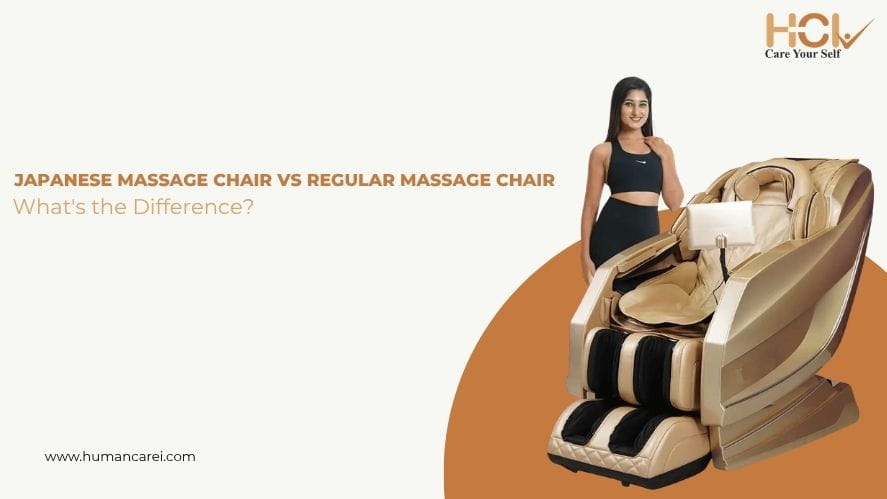
When it comes to bringing genuine Japanese massage engineering into Indian homes, HCI massage chair models stand out as one of the most trusted options in the market today. Here is why:
- Japanese Engineering Heritage: HCI works alongside Fujiiryoki, a Japanese brand with over six decades of expertise in massage chair innovation, so every HCI massage chair benefits from proven Japanese massage technology.
- Advanced 3D, 4D, and 5D Technology: HCI’s full body massage chair range includes 3D, 4D, and even 5D massage mechanisms that deliver multidimensional motion-depth, width, and intensity-for a massage that feels remarkably close to a human therapist.
- SL and HSL Roller Tracks: HCI massage chairs use SL and HSL tracks that follow your body’s natural curve from your neck all the way down to your hips, ensuring consistent pressure and coverage throughout the massage.
- Zero Gravity Recline: Every HCI full-body massage chair offers zero gravity positioning to reduce spinal pressure and enhance the depth of every massage session.
- Heat Therapy and Air Compression: HCI combines heat therapy with reflexology-based air compression to relieve tension in your arms, calves, and feet, not just your back.
- Certified Quality: HCI massage chairs are backed by ISO 13485:2016, RoHS, and CE certifications, so you are investing in a product built to strict international safety and quality standards.
- Trusted Nationwide: From leading hotel chains to corporate offices and thousands of households, HCI massage chair models are trusted across India, backed by dedicated after-sales support and home demo services.
If you are comparing a Japanese massage chair with a regular massage chair, an HCI massage chair gives you the best of both worlds-authentic Japanese-grade massage technology paired with reliable local support and warranty service.
Frequently Asked Questions
- Is a Japanese massage chair better than a regular massage chair?
Yes, in most cases. A Japanese massage chair offers advanced roller technology, body scanning, zero-gravity recline, and better full-body coverage compared to a regular massage chair, which usually relies on basic vibration motors.
- What do 3D and 4D mean in a massage chair?
A 3D massage chair adjusts roller depth to match your body’s curve, while a 4D massage chair adds speed and rhythm variation, creating a more lifelike, human-style massage experience.
- Is a full-body massage chair worth the investment?
A full-body massage chair covers your neck, back, arms, legs, and feet in one session, offering more comprehensive relief than chairs that only target your back. For anyone dealing with regular muscle fatigue or stress, it is a worthwhile long-term investment.
- How long does a Japanese massage chair typically last?
With proper use and maintenance, a good quality Japanese massage chair can last well over 8 to 10 years, thanks to durable motors, quality airbags, and stronger build materials compared to regular massage chairs.
- Can I use a massage chair every day?
Yes, using a massage chair for 15 to 30 minutes daily is generally considered safe and can help improve circulation, reduce muscle fatigue, and support better sleep quality over time.
- What makes HCI massage chairs different from other brands?
HCI massage chairs combine Japanese engineering expertise with 3D, 4D, and 5D massage technology, zero gravity recline, heat therapy, and international certifications, making them a reliable choice for anyone looking for a genuine Japanese massage chair experience in India.
Ready to experience the difference for yourself? Explore HCI’s range of Japanese-engineered full-body massage chairs and book a free home demo today.
Final Thoughts
Choosing between a Japanese massage chair and a regular massage chair really comes down to what you want from the experience. If you just need something for occasional relaxation, a basic model may get the job done for a while. But if you are dealing with daily stress, back pain, or long hours sitting at a desk, the precision engineering, body-mapping technology, and full-body coverage of a Japanese massage chair make a real difference you can feel session after session.
Brands like HCI make this upgrade easier by bringing authentic Japanese massage technology 3D, 4D, and even 5D systems, zero gravity recline, and full body coverage into homes across India, backed by certified quality and dependable after-sales support. Instead of thinking of it as an expense, it’s worth looking at a Japanese massage chair as a long-term investment in your health, your posture, and your everyday comfort.