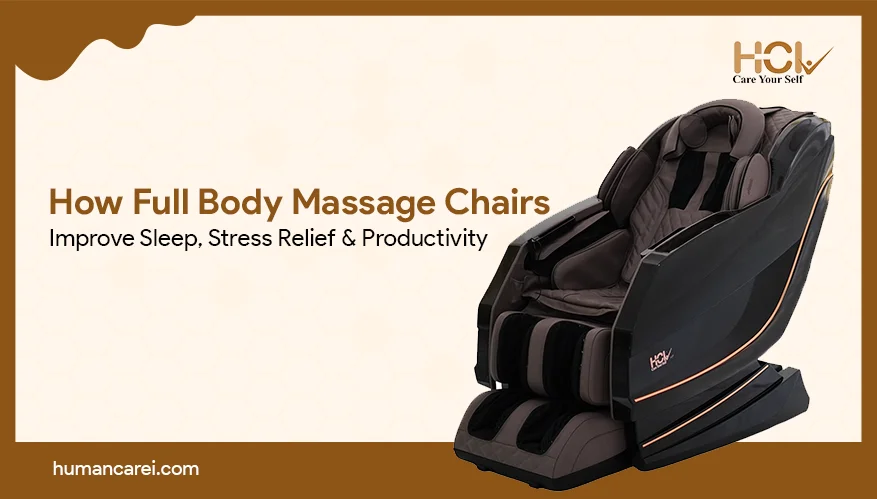



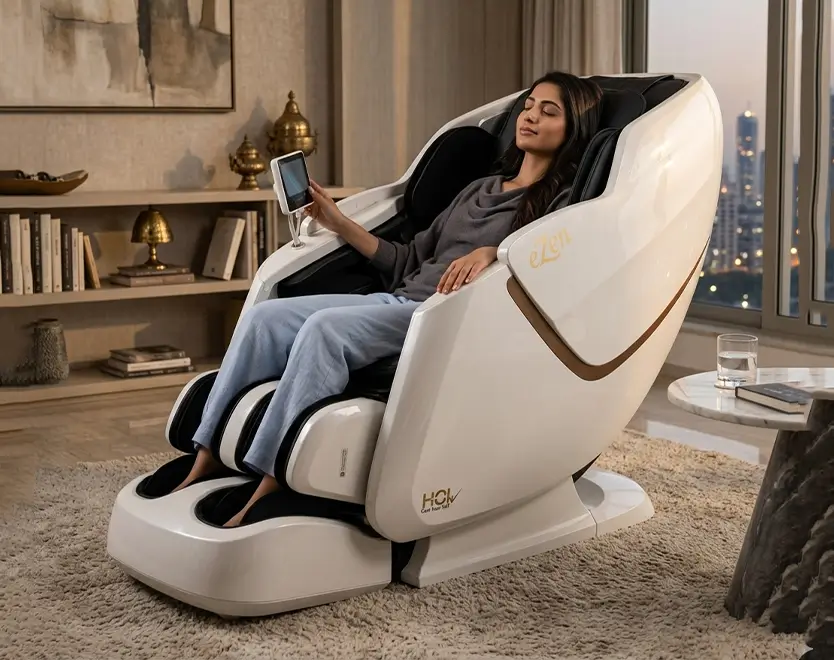


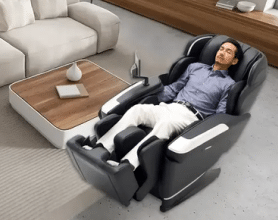
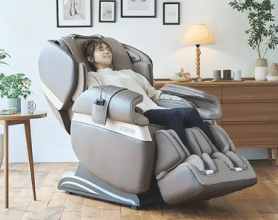
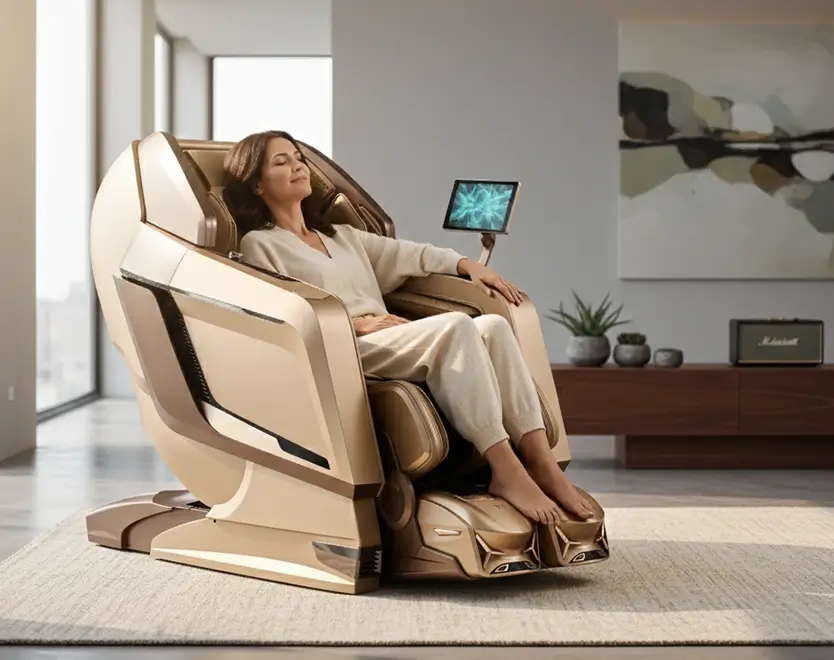
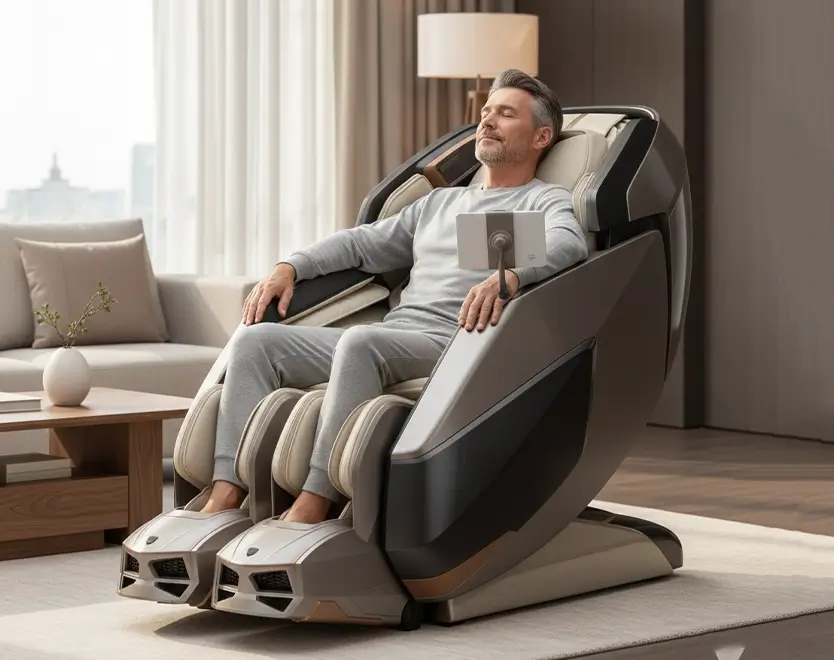
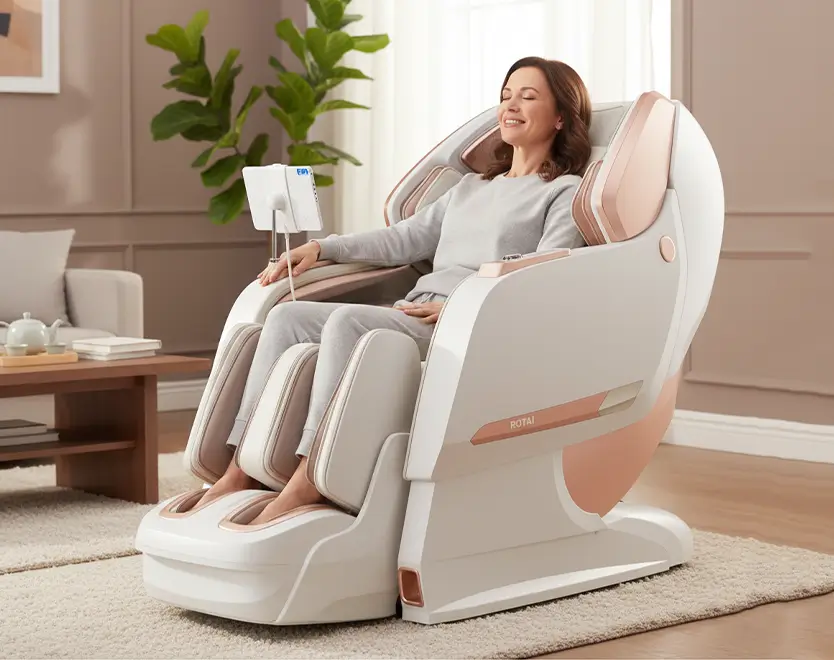
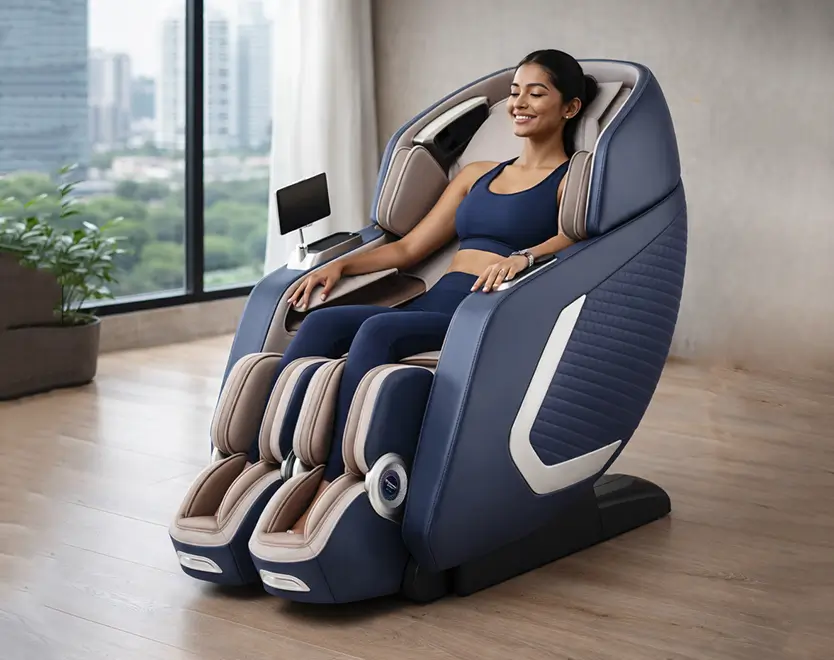
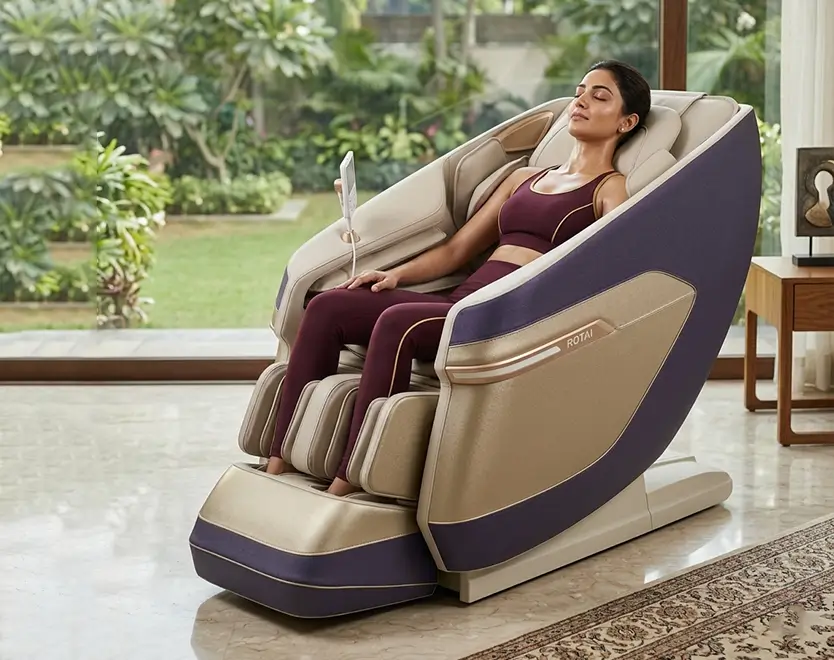


Massage chairs have come a long way from the simple vibrating recliners of decades past. Today’s advanced models, especially those built on Japanese massage technology, are engineered to replicate the hands of a trained massage therapist. If you’ve ever wondered what’s actually happening inside one of these machines when you sit down and press start, this guide breaks it down in plain language.
Quick Answer
A Japanese massage chair uses mechanical rollers, body-scanning sensors, airbags, heat, and reclining mechanisms to simulate techniques such as kneading, tapping, rolling, and Shiatsu. Advanced 3D and 4D systems adjust massage depth, speed, and movement according to the user’s body position and selected program.
The Origins of Japanese Massage Chair Technology
Japan has long been a pioneer in massage chair innovation. Japanese engineers were among the first to study traditional massage techniques such as shiatsu, kneading, tapping, and rolling and translate them into mechanical movements. This is why “Japanese massage chair” has become almost a category of its own: it refers less to where a chair is manufactured today and more to the engineering philosophy behind it, one that prioritizes precision, anatomical accuracy, and therapeutic effectiveness over gimmicky vibration alone.
The Core Components That Make It Work
1. The Mechanical Massage Rollers
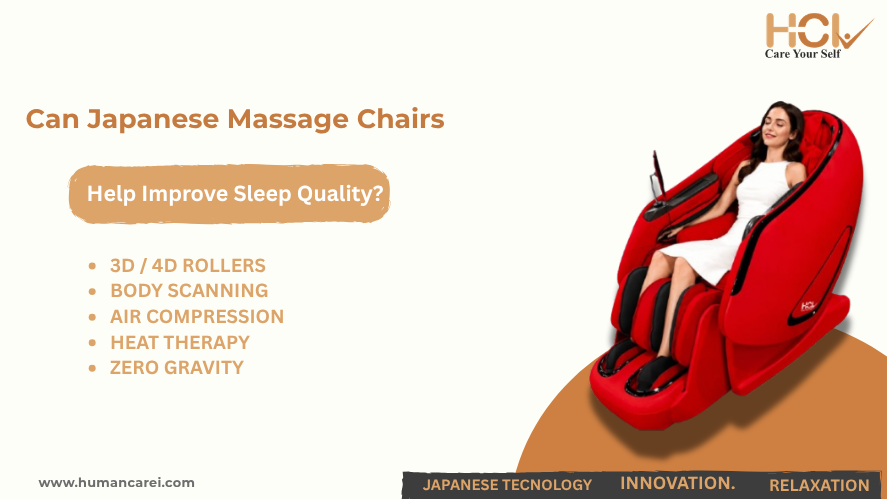
At the heart of any Japanese-style massage chair are internal rollers, usually made of durable nylon or rubber, mounted on a track that runs along the spine. Motors drive these rollers up, down, and side to side, mimicking the kneading and pressing motions of human hands. Higher-end chairs use multiple roller heads working in tandem to create more complex, layered movement patterns.
2. Body Scanning Sensors
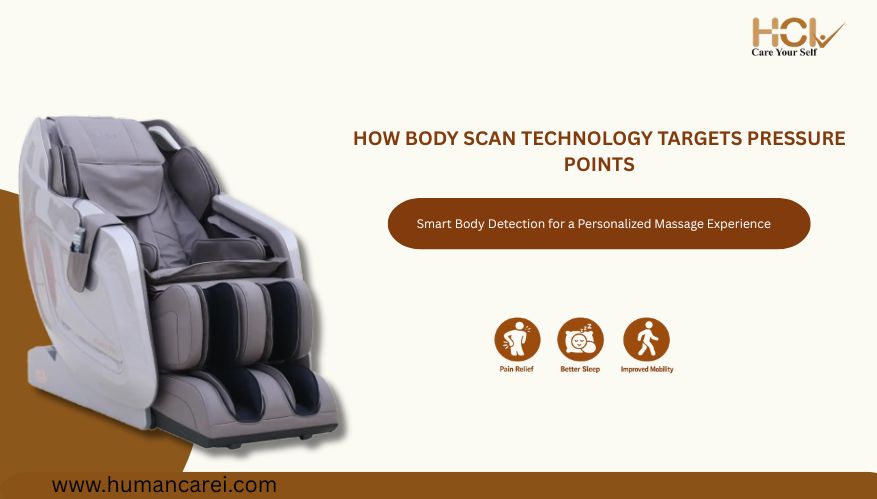
Before the massage begins, many modern chairs perform a quick body scan using infrared or mechanical sensors. This scan maps your shoulder height, spine curvature, and body length, allowing the chair to adjust roller position and pressure specifically to your frame rather than applying a generic, one-size-fits-all program.
3. Airbag Compression Systems
Surrounding the seat, armrests, calves, and feet are inflatable airbags. These inflate and deflate in sequence to compress and release muscle tissue, similar to a blood-pressure cuff. This is what creates that squeezing, kneading sensation in your arms, legs, and hips complementing the roller-based work happening on your back.
4. Heating Elements
Many chairs include built-in heating pads, typically located in the lower back or calf area. Heat increases blood flow and helps relax tight muscles before mechanical pressure is applied, making the overall massage more effective and comfortable.
5. Reclining and Zero Gravity Mechanisms
A zero gravity massage chair design tilts your body into a position where your legs are elevated to roughly the same level as your heart. This posture, borrowed from astronaut training seating, reduces spinal pressure and distributes your body weight evenly across the chair, allowing the rollers to work more effectively with less resistance from gravity.
6. Programmable Controls and 3D/4D Roller Tracks
This is where technology has advanced the most. Basic massage chairs move rollers along a fixed 2D path. 3D massager chairs add depth control, letting rollers extend further to apply targeted pressure. 4D massage chair systems go a step further, varying not just pressure and depth but also speed and rhythm, creating movement that feels closer to a real human massage. Combined with automatic body scanning and preset programs, these chairs can target specific concerns from lower back tension to full shoulder and neck stiffness.
Why This Matters for Full-Body Relief
A well-engineered full body massage chair doesn’t just work on your back. Between the roller track, airbag compression, calf and foot rollers, and sometimes even hand massage attachments, a complete session addresses the neck, shoulders, back, glutes, legs, and feet in one sitting, something a simple body massage machine chair with only vibration motors simply cannot replicate.
Choosing the Right Chair for You
When comparing a massager chair price against features, look past the sticker price and evaluate the roller technology, airbag count, body scanning accuracy, and program variety. A cheap chair massage machine may vibrate pleasantly but won’t deliver the deep tissue manipulation that Japanese-engineered rollers provide.
FAQs
- What is the best Japanese massage chair brand?
There isn’t a single universal answer, since the right brand depends on your budget and the features you need. Look for brands with a strong track record in roller precision, airbag quality, and after-sales support, such as HCI Massage Chair.
- What is the price of a Japanese massage chair?
Pricing varies widely based on features like 3D or 4D rollers, body scanning, and zero gravity recline, ranging from entry-level models to premium full-body systems.
- Which is better, a 3D or 4D massage chair?
A 4D chair generally offers a more natural, human-like massage because it varies speed and rhythm along with depth, while a 3D chair focuses mainly on adjustable pressure depth.
- What are the disadvantages of a massage chair?
Common drawbacks include upfront cost, the physical space required, and the fact that a mechanical massage can’t fully replace a licensed therapist’s judgment for specific medical conditions.
- Which is the best massage chair for home?
For home use, a full body model with zero gravity recline, automatic body scanning, and heat therapy typically offers the most well-rounded experience.
- How much does a massage chair cost in India?
Prices in India span a broad range depending on features, with basic models at the lower end and advanced 4D, full-body units at the premium end of the market.
- Which brand massager is best in India?
The best choice depends on your specific needs, but buyers generally look for brands offering reliable roller technology, solid warranties, and responsive customer service, such as HCI Massage Chair.
- Is a Japanese massage chair medically certified?
Most massage chairs, including Japanese-engineered models, are classified as wellness or relaxation products rather than medical devices. Some manufacturers do obtain quality and safety certifications such as CE, ISO, or FDA registration for general wellness use, so it’s worth checking a brand’s certification documents before buying if this matters to you. If you have a specific medical condition, it’s best to consult a doctor before using a massage chair regularly.
Final Thoughts
Understanding how these mechanisms work together with rollers, sensors, airbags, heat, and reclining posture helps explain why Japanese massage chair technology remains the gold standard in the industry. If you’re searching for the best massage chair for your home, it pays to compare options carefully among today’s massage chairs, from an entry-level massager chair for full body relief to a premium 3d massager chair with foot massage and automatic body scanning. At HCI Massage Chair, we build our 4D massage chairs and zero gravity massage chairs around this same time-tested Japanese engineering philosophy, so every session feels less like a machine and more like a real massage therapist’s hands.